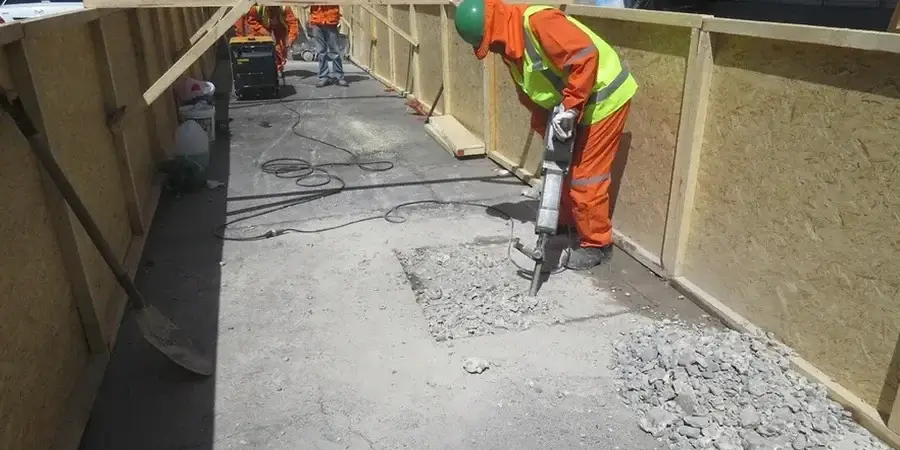
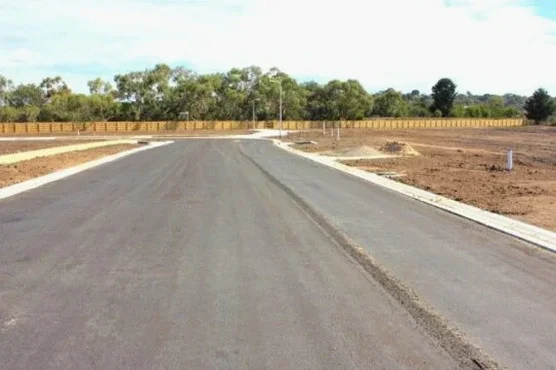
A recent warehouse expansion off Newtown Pike saw its initial jointed plain concrete pavement design rejected after the first winter, not because of mix failure but due to undetected subsurface voids in the Lexington Limestone that amplified curling stresses. That scenario is more common than most contractors admit across Fayette County, where the Ordovician-age karst topography creates a naturally uneven support system. We approach rigid pavement design here by first mapping the subgrade’s dynamic response—often integrating data from a CPT test to detect soft seams or incipient sinkholes before a single concrete batch is specified. The goal isn’t just a slab thickness number; it’s a pavement section that accounts for Lexington’s average 46-inch annual rainfall, the freeze-thaw cycles that chew up poorly drained bases, and the specific axle loads from thoroughbred trailers that define the Bluegrass economy.
A rigid pavement on Lexington’s karst geology lives or dies by its subbase drainage design, not just its concrete thickness.