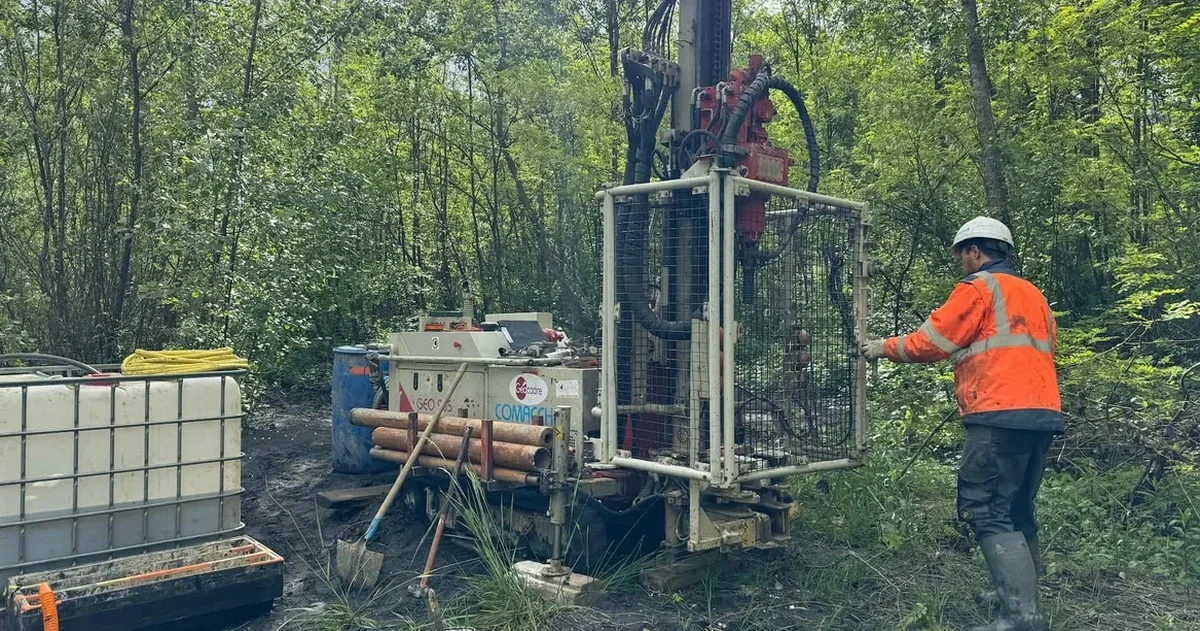
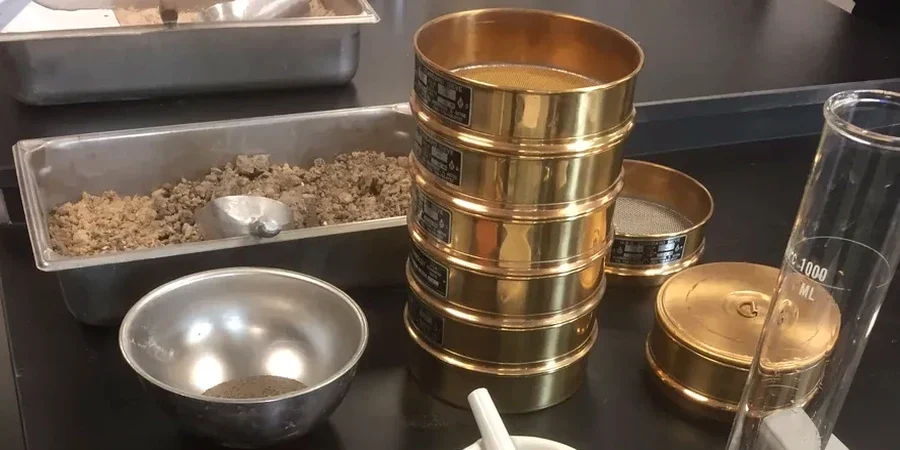
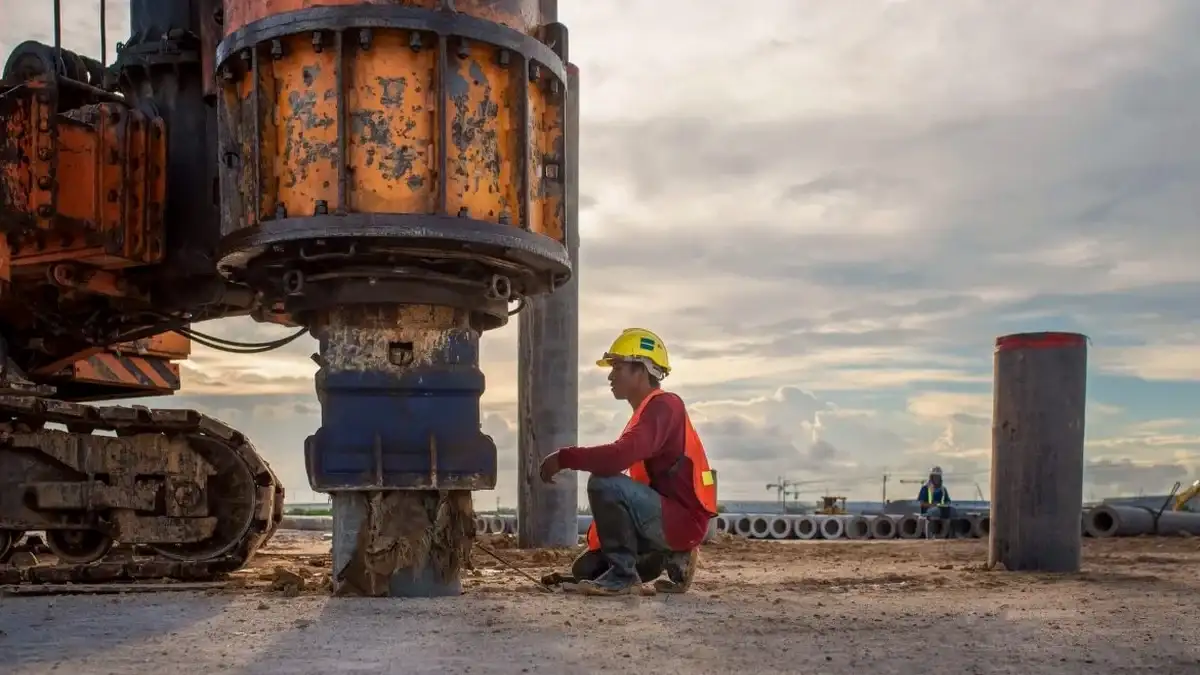
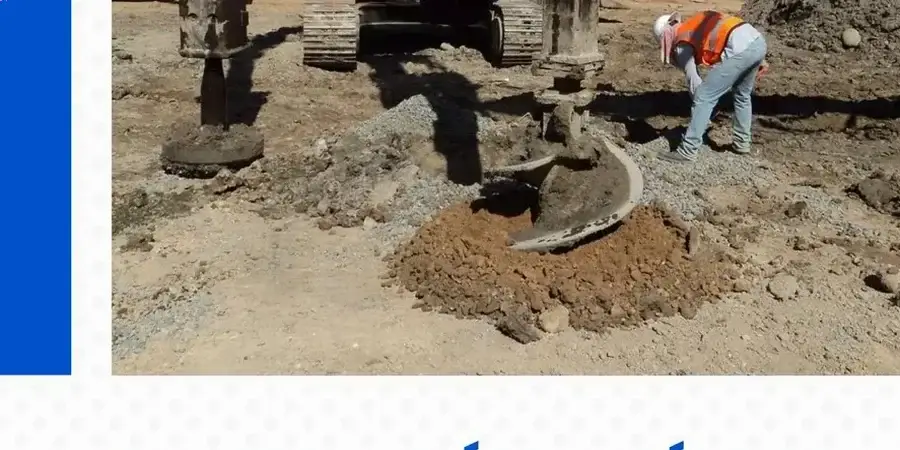
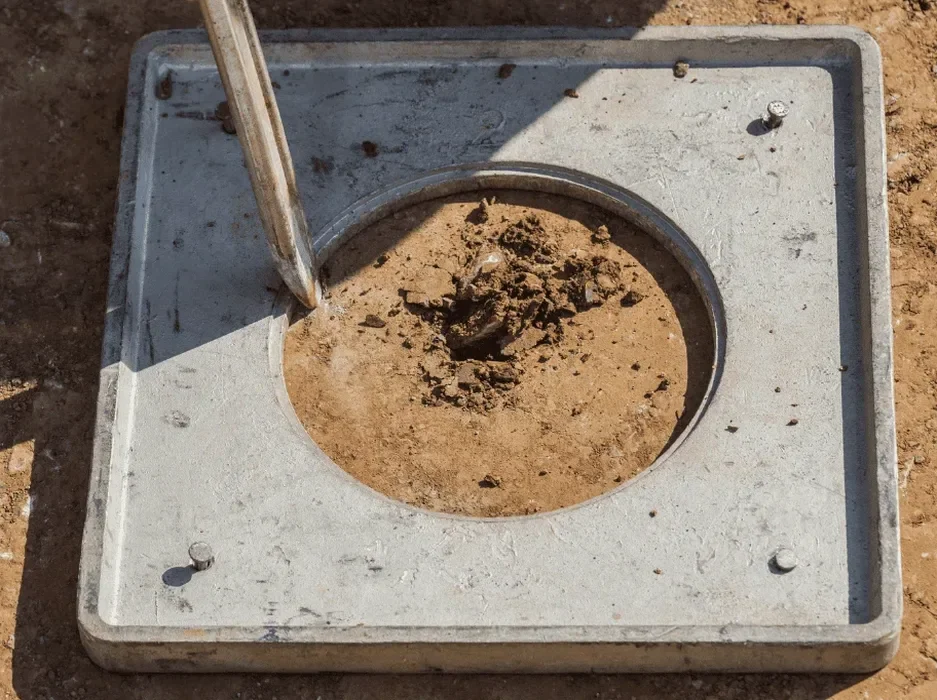
Lexington sits squarely on the Inner Bluegrass, a landscape underlain by thick deposits of Ordovician limestone. That means karst. Sinkholes, solution channels, and pinnacled bedrock are real concerns for any foundation. The residual clay soils derived from limestone weathering are notoriously variable—firm in one spot and soft just ten feet away. A proper soil mechanics study here has to characterize not just the soil but the rock interface. Our approach integrates ASTM D1586 standard penetration testing with laboratory index testing under ASTM D2487 to classify the silty clays and fat clays that dominate local construction sites. We assess strength parameters, consolidation characteristics, and the potential for volume change, because Lexington’s clay can be expansive when wet. Before finalizing a foundation design, many engineers combine this with a plate load test to verify bearing capacity directly in the field.
Karst geology doesn’t forgive assumptions. Every soil mechanics study in Lexington has to answer one question: where is the rock, and what’s between here and there?