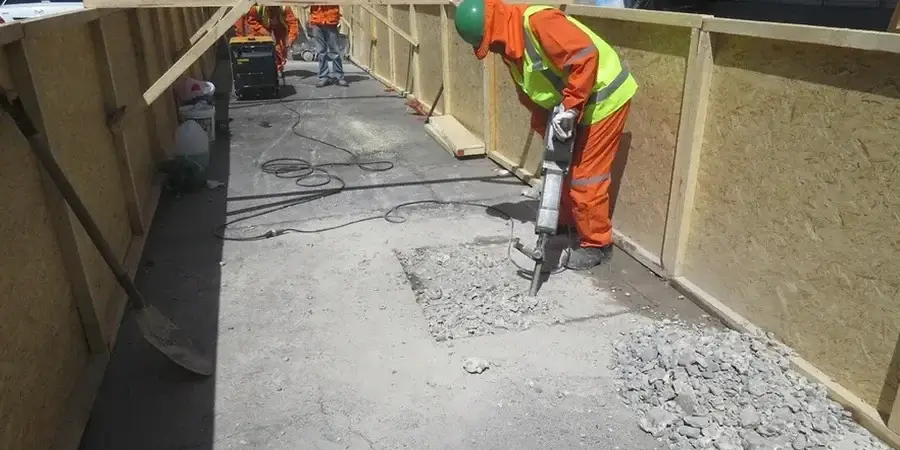
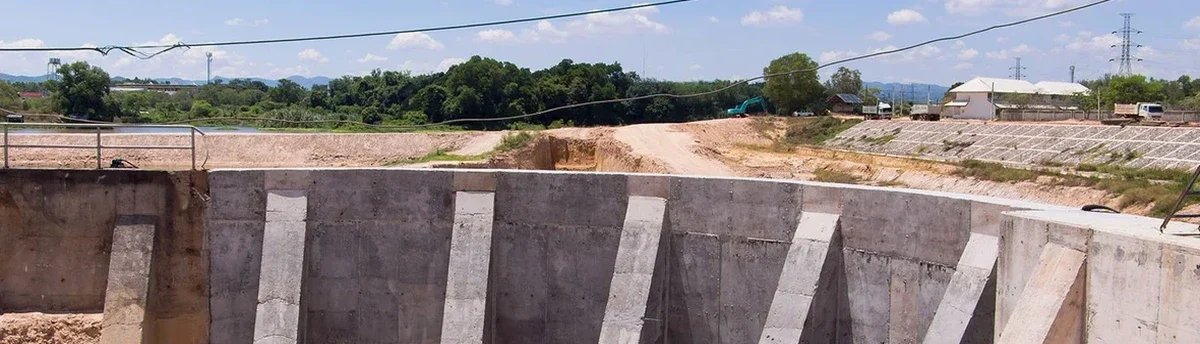
What catches contractors off guard in Lexington isn't just the limestone — it's the way the residual clay holds water after a week of rain, then shrinks and cracks when August hits. We've tracked excavation walls in the Inner Bluegrass where lateral movement spiked 40% two days after a summer thunderstorm, simply because the drainage plan assumed constant moisture conditions. The MASW survey helps map the clay-over-rock interface before the first bucket goes in, but day-to-day monitoring is what keeps the shoring system honest. Lexington's geology transitions fast from stiff Maury silt loam to weathered limestone pinnacles, and a benched cut that looks stable on a Friday can shift by Monday if the ground isn't being read correctly. Our team runs inclinometer and settlement arrays tied to automated data loggers so you're not guessing — you're seeing real-time deformation against the IBC threshold limits.
A Lexington excavation wall in Bluegrass clay can move 40% more after a summer storm than the drainage plan predicted — real-time monitoring catches the shift before it becomes a backfill order.